CFD Training
Master the Science, Not Just the Software
At Aadnys Technologies, we believe that a CFD tool is only as powerful as the engineer operating it. Our training programs are designed to move beyond “button-pushing.” We focus on the underlying physics and industry standard best practices, ensuring your team can produce reliable, high-fidelity results regardless of the specific software platform you use.
Four pillars of a successful simulation workflow:
Four pillars of a successful simulation workflow:
High-Performance CAD Preparation
A successful simulation begins with clean geometry. We teach the art of preparing CAD specifically for fluid domains, reducing the risk of mesh failure and solver instability.
De-featuring & Simplification:
Identifying and removing unnecessary details (bolts, fillets, logos) that don't impact flow but increase computational cost.
Fluid Volume Extraction:
Techniques for creating accurate internal and external flow volumes.
Leak Detection & Closing:
Ensuring a watertight manifold for robust volume meshing.

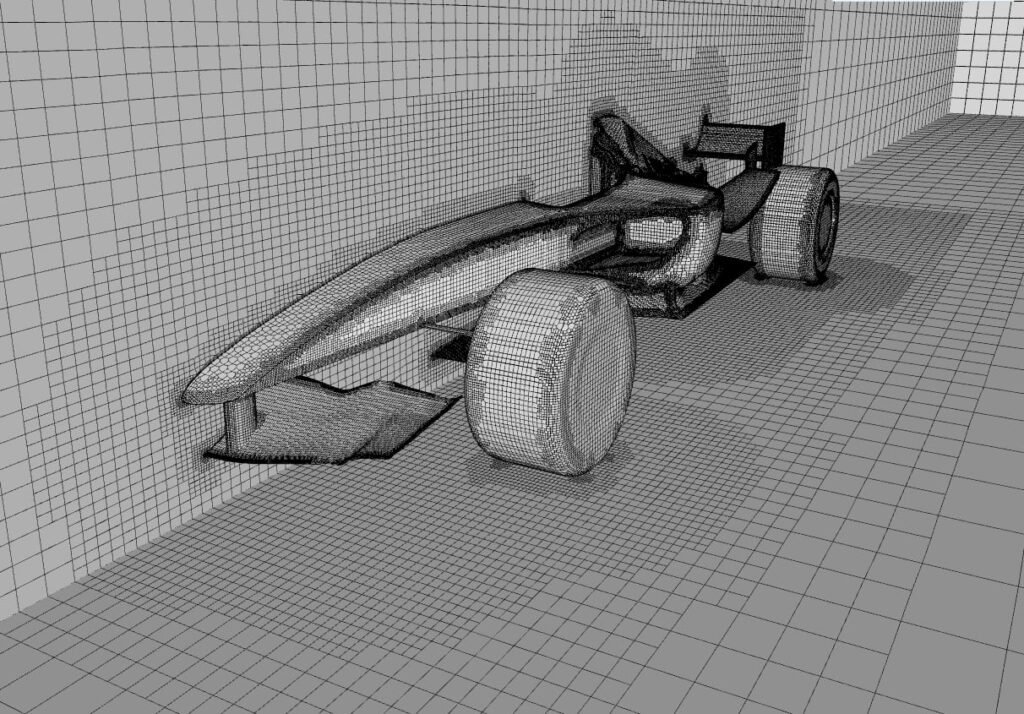
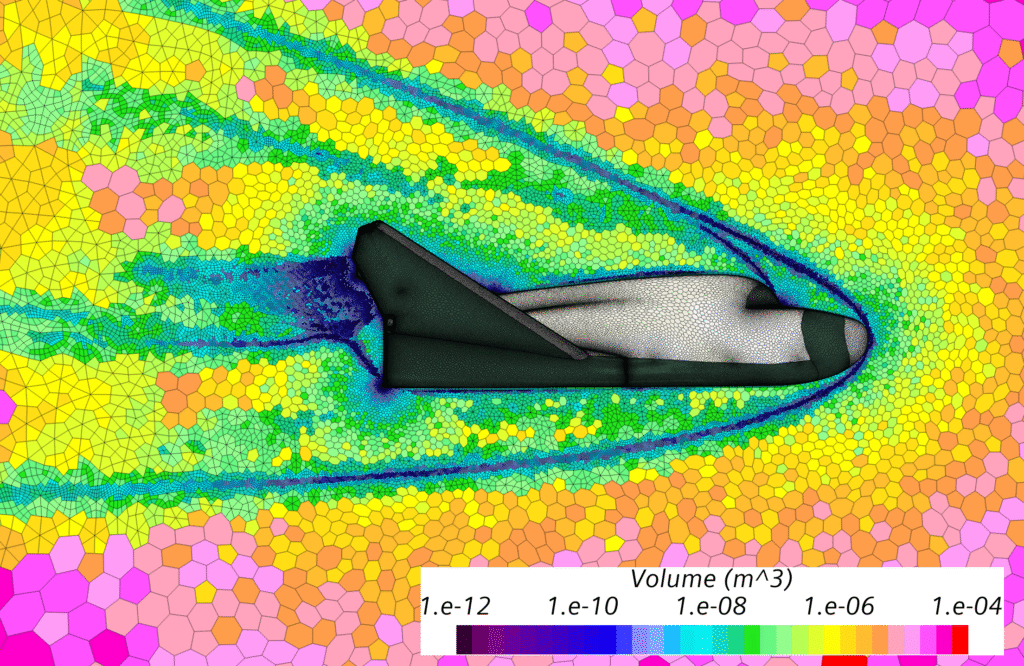
Strategic Meshing for CFD
The mesh is the foundation of your numerical accuracy. We teach you how to build a grid that captures the right physics without over-allocating resources.
Global & Local Refinement:
Balancing mesh density in critical regions like wakes, gradients, and boundary layers.
Boundary Layer Modeling:
Mastering inflation layers and understanding the requirements of Yplus for different turbulence models.
Mesh Quality Metrics:
: Interpreting skewness, aspect ratio, and orthogonality to ensure solver convergence.
Physics-Driven Solver Setup
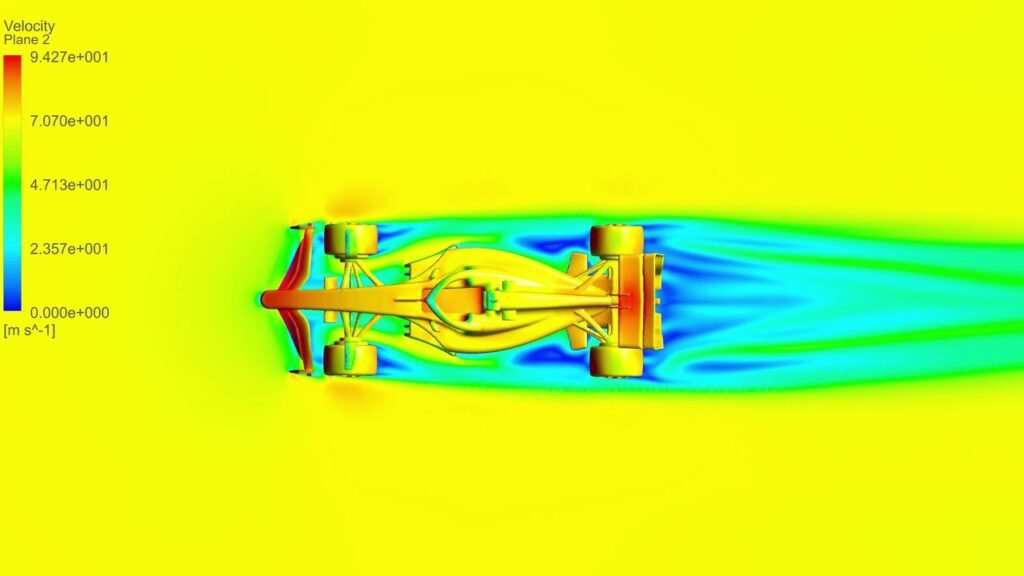
Avoid the “black box” approach. Our training ensures you understand why you are selecting specific models and constants.
Turbulence Modeling:
Selecting the right model (RANS, URANS, LES) based on the flow regime.
Boundary Conditions:
Defining physically realistic inlets, outlets, and wall functions.
Convergence Monitoring:
Understanding residuals, monitors, and the importance of mass/energy balance.
Numerical Schemes:
Choosing between first order and second-order accuracy for optimal stability and precision.
Solver-Agnostic Proficiency
While we provide hands-on experience with industry-leading tools, our methodology is designed to be universal.
Workflow Standardization:
Creating a repeatable process that can be ported across different software environments.
Results Validation:
Teaching engineers how to critically analyze and verify simulation data against empirical formulas or experimental results.
Let’s Work Together
Further case studies available upon request. Please provide some information on your project or goals and we’ll move the conversation on from there.
Four pillars of a successful simulation workflow:
Workshops
Teams
Bootcamps
Engineers